
Between 2022 and 2026, Kenyan institutions reported planting 1.7 billion trees. Over that same period, national forest cover held statistically flat at 8.83%, total forest area unchanged at 5.226 million hectares. Both numbers are real. Both come from institutional reporting. And they don’t obviously fit together.
This isn’t an accusation. Five honest explanations are possible at once, including the simple fact that young trees are often too small for satellites to detect yet. But nothing currently published lets anyone rule any of them in or out. We call this the Planting-Cover Gap, and closing it, not planting more trees, is the actual problem in front of us.
Three Words That Get Used as if They’re One
Public communication routinely blurs three different measurements: forest cover (8.83%, land meeting a strict formal definition combining area, canopy density and height together), tree cover (roughly 12%, counting trees anywhere: roadside, farm, compound, city), and forest area (5.226 million hectares, an absolute figure that can shift with reclassification alone, without a single new tree in the ground). The fix costs nothing and takes nine words: never publish a tree or forest figure without saying what was measured, when, and against which baseline. Any government, agency, or newsroom could adopt it tomorrow.
The Funding Arithmetic Nobody Says Out Loud
Kenya’s restoration programme is funded at roughly Sh3.2 billion against an estimated Sh60 billion annual requirement, about a twentieth of what the work actually needs. A programme funded at a twentieth of its requirement risks succeeding only at what that twentieth can buy: planting. Care, protection, replacement and long-term return go underfunded almost by definition. Nobody has to intend that outcome. It’s arithmetic.
The Only Audit of Its Kind
In 2019, the Philippines Commission on Audit examined its National Greening Program: 940 sites, 13,832 hectares, established 2011-2015, against a programme requirement of 85% survival. Some individual sites were recorded at rates between 4% and 30% (a small number at zero) after Certificates of Site Development had already been issued at year three, certifying that same 85% survival. It remains the only national audit of its kind found anywhere in the world. Nobody has done for Kenya’s 1.7 billion what that audit did for the Philippines’ hundreds of millions.
An audit like that isn’t an indictment of the people who planted the trees. It’s the only way to know, with any confidence, which of the five honest explanations for the Planting-Cover Gap is actually doing the work in Kenya’s own numbers, and where the response should be aimed.
We Count Boarding, Not Landing
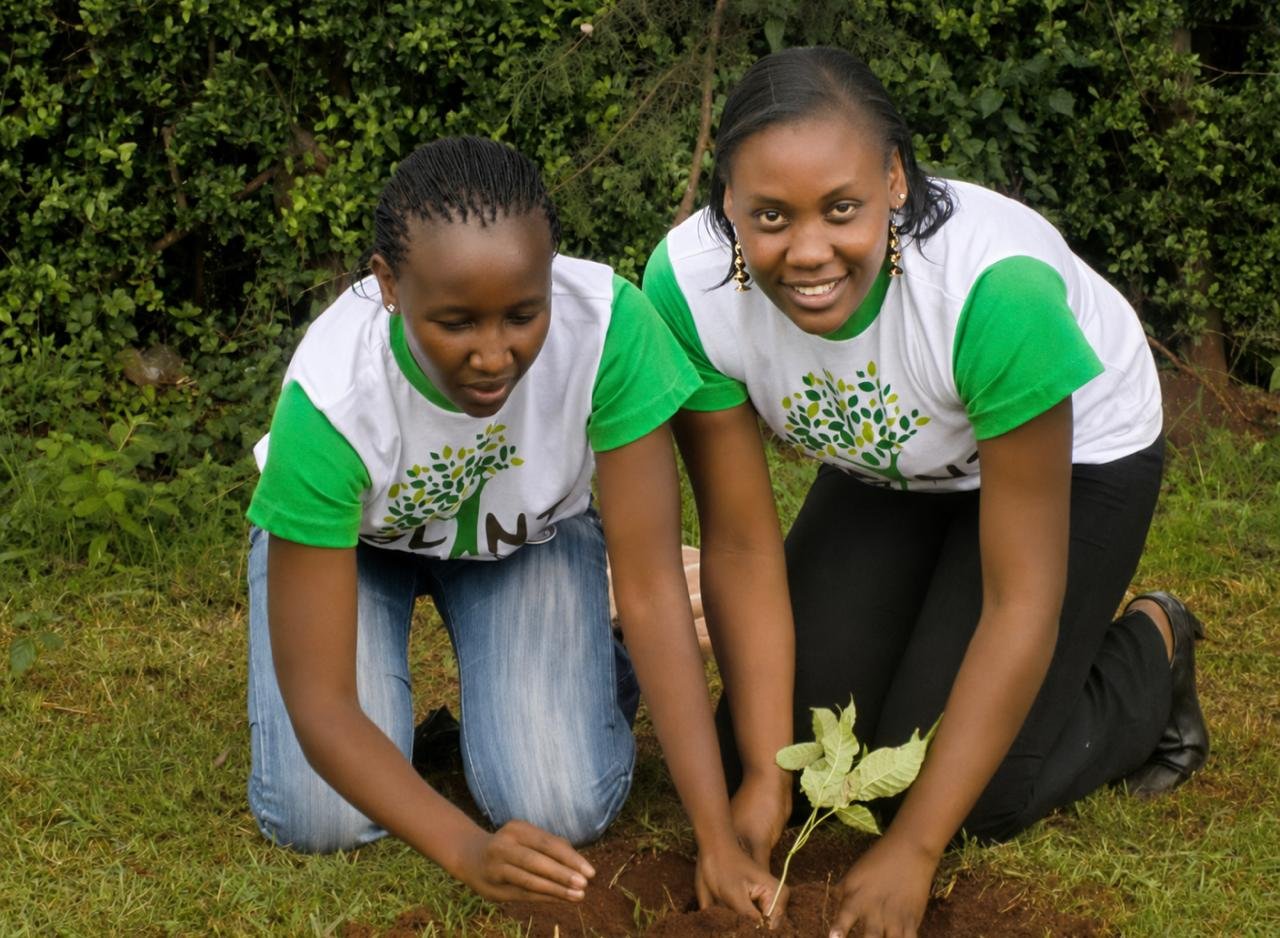
We count seedlings going into the ground the way an airline counts passengers boarding. Nobody counts who lands. Institutions can set targets. Only people can grow what survives. The gap between what’s reported planted and what the land is measured to hold won’t close through a bigger campaign; it closes tree by tree, custodian by custodian, verified year after year. That’s exactly what Plant Your Age was built to track: not how many seedlings went into the soil this year, but how many are still standing at twelve months, and the year after that.
If you’re one of the custodians behind those 1.7 billion seedlings, this is the accounting we think your work deserves too.